Retro Mom Life, I Used to Be Cool SVG
First Impressions: A Nostalgic, Lighthearted Vibe
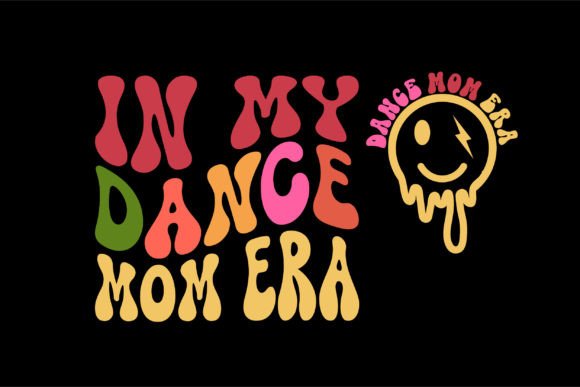
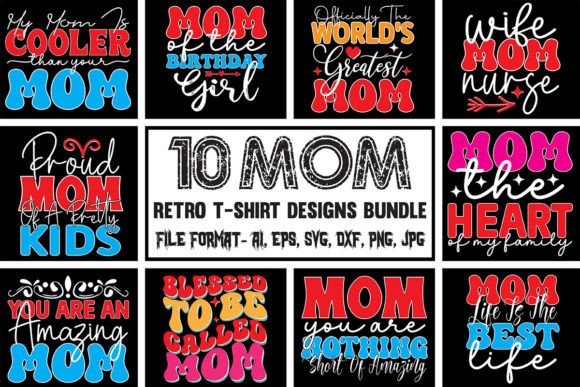
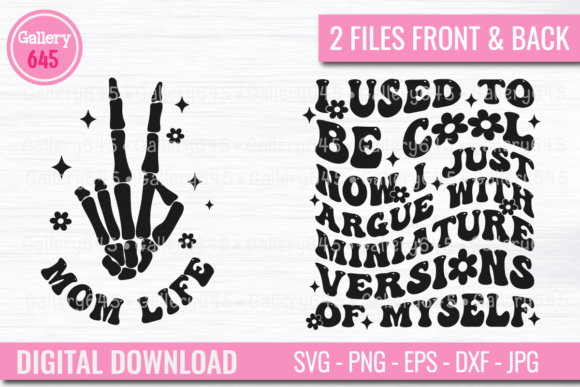
Opening the Retro Mom Life, I Used to Be Cool SVG file, the first thing that strikes me is the playful, retro-inspired aesthetic. It's the kind of design that immediately evokes a laid-back, throwback charm—perfect for moms who love to celebrate their journey with a touch of humor and nostalgia. The layout is clean and centered, with bold, slightly distressed lettering that gives it that vintage flair without being over the top. The visual personality leans toward the casual, making it a great fit for embroidered items that are meant to be cozy, personal, and a little tongue-in-cheek.
The theme is unmistakably "mom life," but with a twist—it’s not just about the daily grind. It's about owning the transformation from "cool" to "chaotic" with pride and a wink. That kind of emotional resonance is valuable in embroidery because it connects instantly with the wearer or recipient.
Real-World Use: From Sweatshirts to Baby Clothes
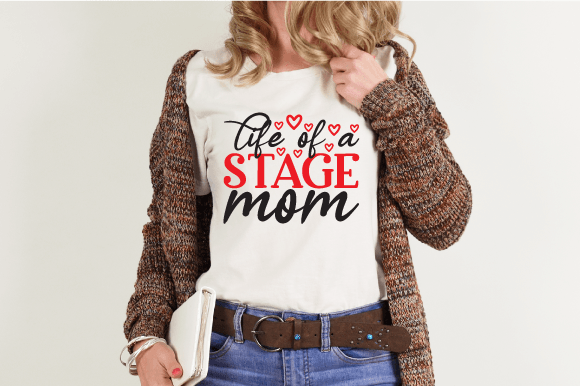
I tested Retro Mom Life, I Used to Be Cool SVG on a few different project types to see how it would translate from screen to stitch. First up was a soft cotton sweatshirt—classic, versatile, and perfect for this kind of design. The file scaled well, maintaining clarity even when enlarged to fit the chest area. The satin and fill stitches rendered cleanly, and the distressed edges held up surprisingly well without fraying or looking too jagged in thread form.
Next, I applied it to a baby onesie. At this smaller scale, I was cautious about legibility, especially with the more intricate lettering. But with a little tweaking in the embroidery software—slightly increasing the spacing between letters and adjusting the stitch density—it came through clearly. It made for a fun, personalized gift that’s sure to get smiles from new moms and grandparents alike.
For a more decorative application, I stitched it onto a linen tote bag. The natural texture of the fabric complemented the retro look, and the design felt right at home. No major thread breaks or skipped stitches, which is always a concern when working with textured materials. It held up well, proving this design is versatile enough for both casual and boutique-style products.
Where to Use It Carefully
Like any embroidered design, Retro Mom Life, I Used to Be Cool SVG has its sweet spots and its tricky spots. On dark fabrics, the contrast can be a bit too stark, especially if you're using a single thread color without adjustments. I’d recommend testing with a few different thread shades or even adding a light outline to help it pop.
It’s also worth being cautious when working with stretchy or thin fabrics. The design has some detailed corners and lettering that can distort if the stabilizer isn’t up to the task. I noticed slight puckering on a lightweight jersey tee until I switched to a heavier tear-away stabilizer. If you're embroidering on a curved surface like a baseball cap, make sure the hoop fits snugly and consider using a cap frame if your machine supports it.
Visual Impact and Practical Appeal
One of the biggest strengths of Retro Mom Life, I Used to Be Cool SVG is its immediate visual appeal. It’s recognizable, memorable, and emotionally engaging—key factors for Etsy sellers and craft entrepreneurs looking to build brand consistency and customer trust. Whether you're creating personalized gifts or small-batch boutique items, this design brings a sense of humor and warmth that’s hard to ignore.
From a professional standpoint, the clarity of the stitch work contributes to a polished, handmade presentation. It doesn’t look rushed or overly digital, which is important when selling finished products that customers expect to feel custom and thoughtful. In terms of giftability, this design scores high—it’s the kind of embroidered piece that people will proudly wear or display, knowing it reflects their personality.
Design Tips for Best Results
If you're planning to use Retro Mom Life, I Used to Be Cool SVG in your next embroidery project, here are a few practical notes based on my experience:
- Test on Scrap Fabric First:: Especially if you're working with a new fabric type or stabilizer combo. It’s always better to catch any issues early.
- Check Thread Color Contrast:: Don’t assume the default colors will work on every background. Try a few combinations to see what brings out the design best.
- Review Stitch Density:: Some areas might be denser than others, especially around the distressed edges. Adjust if needed to avoid stiffness or puckering.
- Confirm Hoop Size:: Make sure the design fits comfortably within your machine’s hoop dimensions, especially if you’re scaling it up or down.
- Inspect Small Details:: The lettering may need minor tweaks when embroidered at smaller sizes. Zoom in digitally and check for clarity.
- Test in Black and White Mockups:: Helps you see how the design will look on light vs. dark fabrics without wasting thread.
- Use Proper Stabilizer:: Especially on textured or stretchy materials. A good stabilizer can make or break the final result.
- Check Licensing Terms:: If you're selling finished items or digital products, make sure the license allows for commercial use.
Final Thoughts: A Worthy Addition to Your Design Library
Retro Mom Life, I Used to Be Cool SVG is more than just a cute design—it’s a flexible, emotionally engaging embroidery asset that works well across a variety of products. Whether you're making custom apparel, personalized baby items, embroidered patches, or holiday gifts, this design brings both charm and practicality to the table.
For Etsy sellers and small shop owners, it offers a relatable theme that’s easy to market and resonates with a broad audience. For crafters and hobbyists, it’s a fun, low-risk design that adds personality to everyday items without being too complicated to stitch.
If you're looking for a design that balances humor, nostalgia, and usability, Retro Mom Life, I Used to Be Cool SVG is definitely worth adding to your collection. Just remember to test it thoroughly, adjust as needed, and enjoy the creative process.