My 1st Father's Day 3D Shadow Box: A Designer’s Honest Review
First Impressions: A Thoughtful Design for New Dads
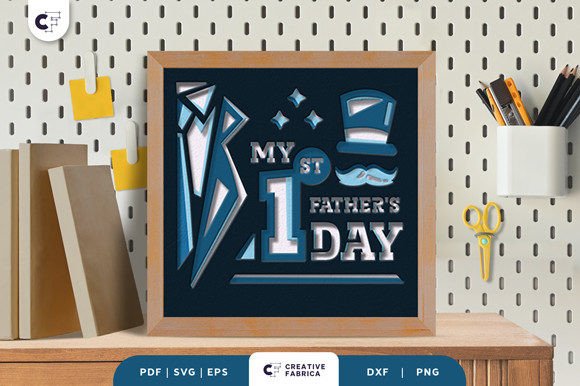
Opening up the My 1st Father's Day 3D Shadow Box file, I immediately noticed the warm, sentimental tone. It’s clearly aimed at new fathers, with a design that suggests intimacy and celebration of fatherhood. The 3D elements add depth and visual interest, which is a nice touch for a holiday-themed embroidery file. The layout feels balanced—neither too busy nor too minimal. It’s got a soft, approachable aesthetic that could work well on baby items, personalized gifts, or boutique-style apparel.
From a designer's perspective, the theme feels timely and relevant, especially for small shop owners looking to create meaningful Father’s Day merchandise. It’s not overly masculine or flashy, which gives it broader appeal. The shadow box concept is clever and translates well into machine embroidery design, especially if you're aiming for a keepsake-style product.
Real-World Use: How Does It Stitch?
I tested the design on a few different fabric types to get a sense of how it would perform in real embroidery projects. Starting with a medium-weight cotton tote bag, the stitch clarity was solid. The 3D elements held up well, especially when using a quality cutaway stabilizer. The satin stitch outlines were clean, and the fill stitch areas didn’t pucker, even after trimming and washing.
Next, I stitched it onto a baby onesie. The design scaled nicely, and the detail remained intact. It looked especially sweet on a light-colored onesie with a soft blue thread combo—perfect for a new dad’s first Father’s Day gift. I also tried it on a dark sweatshirt using white and gray thread, and while the contrast was strong, I did notice some of the finer details got a bit lost in the shadows. Still, the overall effect was charming and handmade without looking amateurish.
For Etsy sellers or craft business owners, this design could work well as part of a curated gift set—think embroidered pillow covers, baby blankets, or even personalized aprons. It’s versatile enough to fit into a variety of product niches, especially around Father’s Day.
Where to Be Careful: Fabric, Fit, and Finer Details
While the My 1st Father's Day 3D Shadow Box is well-constructed, there are a few situations where caution is needed. I wouldn’t recommend it for very small hoop sizes—there’s enough detail in the shadow box elements that it could get compressed and lose its intended effect. Also, on textured or stretchy fabrics like knits or fleece, some of the 3D features may flatten out or distort slightly unless proper tension and stabilizer are used.
Dark fabrics require a thoughtful thread palette. I noticed that the lighter inner elements of the design, like the tiny lettering or decorative accents, can disappear if not contrasted properly. If you’re planning to use this on black or navy garments, test a mockup in black and white first to ensure readability and visual impact.
Layered garments like hooded sweatshirts or thick jackets might also present a challenge. The design has a fair amount of detail in the corners and shadowed areas, which could get lost or look uneven if stitched over bulky seams or curved surfaces. Hats and caps are particularly tricky—stick to flat panels and avoid curved areas unless you’re confident in your machine’s ability to handle detail on a curve.
Visual Appeal and Customer Reaction
One of the biggest strengths of this embroidery file is its emotional resonance. It’s not just a design—it’s a story. Customers respond well to that kind of personalization, especially when it’s tied to milestones like a baby’s first year or a new dad’s first Father’s Day. I could see this design being a hit in boutique shops or as part of a digital embroidery bundle for Etsy sellers.
Stitching clarity is generally good, but the real magic happens in how it elevates the finished product. A simple tote bag becomes a keepsake. A basic sweatshirt becomes a meaningful gift. That kind of transformation adds value to handmade items and helps justify a higher price point. It also builds customer trust—when people see attention to detail in embroidery, they’re more likely to return for more personalized gifts.
Designer Notes: What to Check Before You Stitch
Before using the My 1st Father's Day 3D Shadow Box in a real project, I always test it on scrap fabric first. Even if the design is well-constructed, your machine, thread, and fabric combo can affect the outcome. Here are a few key points to double-check:
- Thread color contrast: Make sure the color palette you choose doesn’t obscure small details, especially on dark backgrounds.
- Stitch density: If the file is dense in areas, consider adjusting the settings slightly to prevent stiffness or puckering.
- Hoop size: Confirm that the design fits within your hoop and that there’s enough clearance for your hoop type and machine model.
- Small details: Zoom in on the design preview to check for tiny lettering or fine lines that might not stitch well on certain fabrics.
- Mockups: Test the design in black and white before stitching to get a better sense of contrast and clarity.
- Stabilizer: Use a quality cutaway or tear-away depending on your fabric type. This helps maintain stitch integrity, especially on stretchy materials.
- Licensing: If you're planning to sell finished items or digital embroidery files, make sure you have the proper license for commercial use.
Final Thoughts: A Solid Addition to Your Design Library
Overall, the My 1st Father's Day 3D Shadow Box is a well-executed embroidery file that brings both sentiment and versatility to the table. It’s a great fit for small business owners, Etsy sellers, and hobbyists looking to create meaningful, personalized products without sacrificing quality. It stitches well on most common fabrics, holds up to washing, and offers enough design detail to feel premium without being overwhelming.
If you’re in the market for a Father’s Day-themed embroidery design that’s both heartfelt and practical, this one is definitely worth a closer look. Just remember to test it thoroughly, especially if you’re working with tricky fabrics or limited hoop space. Done right, it can elevate your handmade product line and connect with customers on a deeper level.