Class of 2023 SVG Cut File: An Embroidery Review
First Impressions for the Apparel Decorator
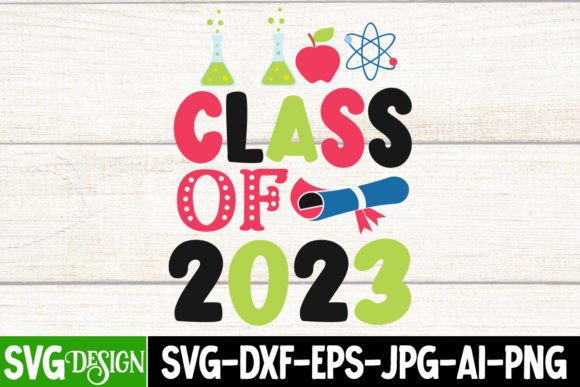
When evaluating a new digital asset for my studio, I look beyond the screen preview to imagine how lines will translate into thread. The Class of 2023 SVG Cut File initially presents as a versatile graphic resource, primarily marketed for vinyl cutting and sublimation. However, as an experienced embroidery digitizer and product reviewer, I see immediate potential for adaptation into stitched goods. The design carries a celebratory yet structured mood that suits the milestone nature of graduation. It feels modern without being overly trendy, which is crucial for creating keepsakes that graduates will want to retain long after the ceremony ends.
For those of us in the craft business or running an Etsy shop, this file offers a strong foundation. While it arrives as a vector graphic rather than a pre-digitized machine embroidery design, the clean lines typical of high-quality T-Shirt Designs suggest it can be converted into satin stitch columns or fill stitch areas with relative ease. The visual personality strikes a balance between academic tradition and youthful energy, making it appropriate for everything from senior sweatshirts to personalized gifts for proud parents. Before loading this into your software, understand that you are working with a blueprint for stitching, not the final stitch file itself.
Real-World Application: The Custom Sweatshirt Project
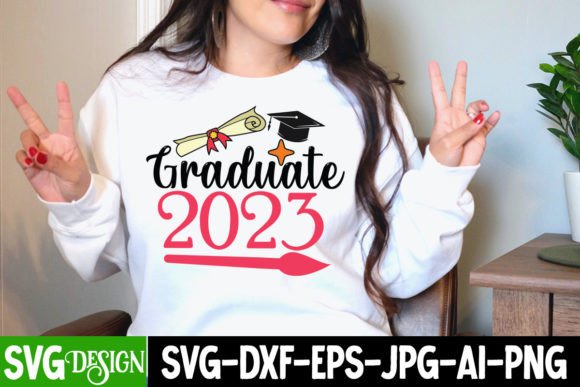
To truly test the viability of the Class of 2023 SVG Cut File, I approached it with a specific client project in mind: a custom embroidered sweatshirt for a university senior. Sweatshirt embroidery requires careful consideration of fabric texture and stitch density. Fleece is unforgiving; stitches can sink, and small details can disappear. Using this graphic as my template, I was able to map out lettering that remained legible against the textured pile of the garment.
In this scenario, the design served as an excellent guide for placement and proportion. Because the original file includes transparent PNG and EPS formats, importing it into digitizing software was seamless. I adjusted the stroke widths to accommodate a standard 40-weight polyester thread, ensuring the satin stitch borders were wide enough to cover the fleece nap without causing puckering. The result was a crisp, professional finish that looked intentional rather than like a direct print transfer. For handmade product creators, this adaptability is where the value lies. You aren't locked into a single size or stitch type; you can tailor the embroidery file to fit the specific drape and weight of your chosen apparel.
Navigating Fabric Limitations and Hoop Sizes
While the Class of 2023 SVG Cut File is versatile, it demands respect for physical constraints. Not every surface is suitable for this level of detail. When planning your embroidery project, consider where caution is necessary:
- Stretchy Fabrics: If applying this design to performance wear or thin knits, the stitch density must be managed carefully. Too much coverage will cause the fabric to warp, while too little will look sparse. Always pair with appropriate stabilizer.
- Small Hoop Sizes: Graduation graphics often include intricate year numerals. Scaling this design down for a 4x4 hoop or a cap frame may require simplifying elements. Tiny serifs or decorative accents that look fine on screen may become thread blobs when stitched at reduced sizes.
- Curved Surfaces: Caps and sleeves present unique challenges. A flat vector graphic does not account for cylindrical distortion. You may need to manually adjust the underlay and pull compensation when converting this SVG into a cap-friendly format.
- Dark vs. Light Fabrics: Test your thread colors against both backgrounds. A design that relies on negative space might vanish on black cotton unless you add a white underlay or outline. Conversely, dense fill stitches on white fabric may require additional backing to prevent show-through.
Understanding these limitations prevents wasted materials and ensures your finished product meets customer expectations. Whether you are making baby embroidery items or commercial merchandise, the substrate dictates the success of the design.
Elevating Product Value and Brand Consistency
In the competitive landscape of digital product sellers and apparel decorators, presentation is everything. How you utilize the Class of 2023 SVG Cut File directly impacts perceived value. A well-executed stitch-out communicates professionalism and justifies premium pricing. When customers see clean registration, appropriate thread tension, and thoughtful placement, they trust your brand. This trust translates to repeat business and positive reviews for your small shop product listings.
Furthermore, consistency across different mediums strengthens your boutique branding. Because this bundle includes multiple formats like DXF and PDF, you can create matching printable mockups alongside your physical samples. Showing a potential buyer a digital preview next to a photo of the actual embroidered patch or tote bag design bridges the gap between expectation and reality. This transparency reduces returns and increases buyer engagement. For Etsy sellers, listing photos that demonstrate the design on various items—from nursery decor to holiday gifts—showcase the versatility of your offerings and highlight your technical expertise.
Essential Designer Notes for Successful Execution
Before you commit this design to fabric, run through this practical checklist to ensure your embroidery file performs as intended:
- Verify Licensing: Confirm whether your purchase includes commercial embroidery rights. Some bundles allow for physical product sales but restrict selling the digitized file itself. Protect your craft business by adhering to terms.
- Test on Scrap Fabric: Never stitch directly onto a final garment without a test run. Use a scrap piece similar in weight and weave to your target item. Check for puckering, registration errors, and thread breaks.
- Assess Stitch Density: Vector lines do not equal stitch paths. Ensure your digitizing settings account for thread thickness. Overlapping satin stitches can cause needle breaks or fabric damage.
- Check Small Details: Inspect any text smaller than 0.25 inches. These areas often require running stitch or specialized fonts rather than satin stitch to remain legible.
- Review Stabilizer Choice: Match your backing to the fabric stability. Cut-away for stretchy knits, tear-away for stable wovens, and water-soluble toppers for high-pile fabrics like towels or fleece.
- Mockup Validation: Create black and white versions of your design to check contrast independent of color. This reveals structural weaknesses that vibrant thread colors might hide.
Taking these steps transforms a simple graphic into a reliable production asset. Remember, the Class of 2023 SVG Cut File is a starting point. Your skill as a maker determines the quality of the outcome. By treating this digital file with the same rigor as a traditional pattern, you ensure that every personalized gift, custom apparel piece, or embroidered patch leaving your studio represents the highest standard of handmade excellence. Always verify specific file compatibility with your machine software before beginning, as system requirements vary across brands.