Be Kind SVG Design: A Designer’s Honest Review for Real Embroidery Projects
When I first opened the Be Kind SVG Design file, I was immediately struck by its cheeky charm. It’s a lighthearted twist on the classic “Be Kind” message, with a sarcastic edge that makes it stand out in a sea of overly sweet sayings. As someone who regularly works with embroidery files for custom apparel and handmade products, I appreciate when a design balances humor and elegance without leaning too hard into either.
First Impressions: Is It More Than Just a Cute Phrase?
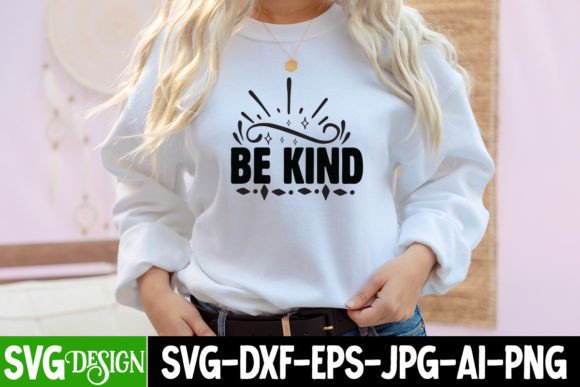
The design layout is clean and centered, making it ideal for straightforward embroidery placements like the chest of a tee or the front of a tote bag. The lettering is bold but not overwhelming, with just enough decorative flair to catch the eye without complicating the stitching process. It feels like the kind of design that could work equally well for a boutique sweatshirt or a personalized baby onesie—especially if you’re going for that “adorably sassy” vibe.
From a visual standpoint, the SVG format gives it versatility across platforms, whether you're using it with Cricut, Silhouette, or embroidery software. The lines are crisp, and there’s a nice balance between negative space and detail. That said, I’d definitely recommend reviewing the stitch path if you’re converting it into a machine embroidery file—especially if you're planning to use it for applique or satin-stitched lettering.
Real-World Use: How Does Be Kind SVG Design Hold Up?
I recently tested this design on a custom embroidered tote bag and a lightweight hoodie for a local small shop client. The tote came out beautifully—clean lines, no distortion, and the message read clearly even from a distance. On the hoodie, it held up well too, though I did notice the lettering’s finer details required a bit more tension control than usual. For a beginner, that might be a bit tricky, but with a good stabilizer and quality thread, it's definitely manageable.
I also tried it on a baby cap as a gift for a friend’s little one. The curved surface of the cap made placement a little more challenging, but the design’s compact nature worked in its favor. No distortion, no bunching, and the recipient loved the subtle humor it added to an otherwise standard baby accessory.
What About Dark Fabrics and Texture?
This design shines best on light-colored or neutral fabrics. On darker materials, the contrast can get lost unless you use a bold thread color or add a backing layer. I tested it on a navy sweatshirt with white thread and had to double-check the stitch density to ensure the text didn’t blend into the fabric. It still worked, but required a bit more attention than usual.
Textured fabrics like denim or corduroy handled the design surprisingly well, especially when I used a heavier stabilizer. The key is to test on scrap fabric first—especially if you’re selling finished products or offering custom embroidery services. You want to make sure the message reads clearly and the overall look doesn’t get swallowed by the material.
Where to Use It Carefully
While Be Kind SVG Design is quite versatile, it’s not a one-size-fits-all solution. For example, I wouldn’t recommend it for very small hoop sizes unless you’re willing to simplify the design. The corners of the letters can get a bit tight, and on a 3-inch hoop, some of the detail might be lost.
Similarly, if you're working with stretchy fabrics like spandex or thin materials like voile, you’ll need to be extra cautious with stabilizer use and tension settings. I tried it on a stretchy tee and ended up with some puckering around the edges until I switched to a tear-away stabilizer and adjusted the machine settings.
Also, if you’re planning to embroider it onto curved surfaces like baseball caps or sleeves, make sure the file is optimized for that kind of placement. The design itself is flat and linear, so it doesn’t naturally conform to curves without some adjustment.
Adding Value to Your Craft Business or Etsy Shop
From a business perspective, this design has strong giftability. It’s the kind of piece that Etsy shoppers love—personal, a little edgy, and easy to customize. Whether it’s embroidered onto a tea towel, a personalized pillow cover, or a boutique sweatshirt, the design adds a touch of personality without being too niche.
I’ve started offering it as an add-on option for my custom tote bag listings, and it’s already boosted engagement. Customers love the humor and the clean finish. It also works well in digital product bundles—especially if you're selling SVGs for Cricut or Silhouette projects.
For small shop owners or crafters, this design can be a great addition to your inventory of digital embroidery files. It’s not overly complex, which makes it accessible for a wide range of skill levels, and it can be paired with other sarcastic or funny SVGs to create themed bundles.
Before diving into a full project, here are a few practical tips based on my experience:
- Always test the design on scrap fabric first, especially if you’re using a new stabilizer or thread color.
- Check the stitch density and adjust if necessary—particularly for dark fabrics or textured materials.
- Review the hoop size compatibility to ensure the design fits your machine’s capabilities.
- If you’re planning to use it commercially, confirm the licensing terms. The product description mentions it's suitable for commercial use, but it’s always wise to double-check.
- Use proper stabilizer based on the fabric type—cut-away for stretchy materials, tear-away for cottons and linens.
- Consider how the design will look in black and white mockups as well as color. This helps with product previews and customer expectations.
- Don’t skip inspecting small details like letter corners and fill stitches. Even a simple design can reveal flaws under close embroidery work.
Overall, Be Kind SVG Design is a solid choice for both personal and commercial embroidery projects. It’s clean, clever, and adaptable—perfect for small business owners, Etsy sellers, and crafters who want to add a bit of sass to their handmade products without complicating the stitching process.